All Categories
Featured
Table of Contents
Sustainable Grounds Management in 2026 Southern California
The hospitality sector in the Southern California region has undergone a significant shift as of 2026. Resort properties no longer view their outdoor environments as mere aesthetic backdrops. Instead, these spaces are now treated as essential assets in a broader environmental, social, and governance (ESG) strategy. With California facing stricter water usage mandates and a more discerning traveler base, the way resort grounds are designed and maintained has become a primary indicator of a brand's commitment to sustainability.
State regulations that went into effect earlier this year have pushed many operators to rethink traditional turf-heavy designs. In 2026, the focus has moved toward drought-tolerant flora and advanced irrigation technology that tracks soil moisture in real time. This change helps properties in this part of California reduce their water footprint while maintaining the high-end appeal that guests expect. Resort managers are finding that travelers are willing to pay a premium for properties that demonstrate a clear dedication to local ecology and resource conservation.
Focusing on Pacific Green Landscape Maintenance has allowed many regional operators to meet these new standards without sacrificing the visual quality of their estates. By shifting from thirsty annuals to perennial native species, properties are seeing a decrease in both water bills and labor costs associated with frequent replanting. These choices also support local bird and pollinator populations, creating a more authentic California experience for visitors coming from outside the state.
ESG Reporting and Outdoor Property Standards
For large hospitality groups, ESG reporting is no longer optional in 2026. Institutional investors and stakeholders require detailed data on carbon sequestration, water diversion, and waste management within resort boundaries. The outdoor maintenance of a property plays a large part in these metrics. Modern specialized resort maintenance now includes regular audits of chemical use and carbon emissions from maintenance equipment. Many resorts in the local area have transitioned to all-electric fleets for mowing and blowing, significantly reducing noise pollution and onsite emissions.
The shift to electric equipment is particularly important in high-density areas like Santa Monica or Anaheim, where local noise ordinances have become increasingly strict over the last few years. By adopting these quieter, cleaner technologies, resorts improve the guest experience while hitting their carbon reduction targets. This data is then funneled into annual ESG reports, which help maintain the property's valuation and attract investment from environmentally conscious funds.
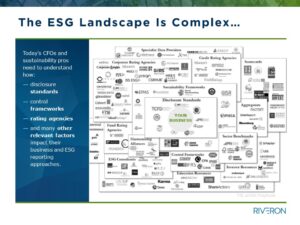
In many cases, Pacific Green Landscape Maintenance Garden Lawn Maintenance has become the preferred method for ensuring that these complex reporting requirements are met. Professional teams who understand the intersection of horticulture and data management are in high demand. These experts provide the documentation needed to prove that a resort is actually meeting its sustainability claims rather than just engaging in greenwashing. This transparency builds trust with guests who are increasingly skeptical of vague environmental promises.
Native Flora and the New Southern California Aesthetic
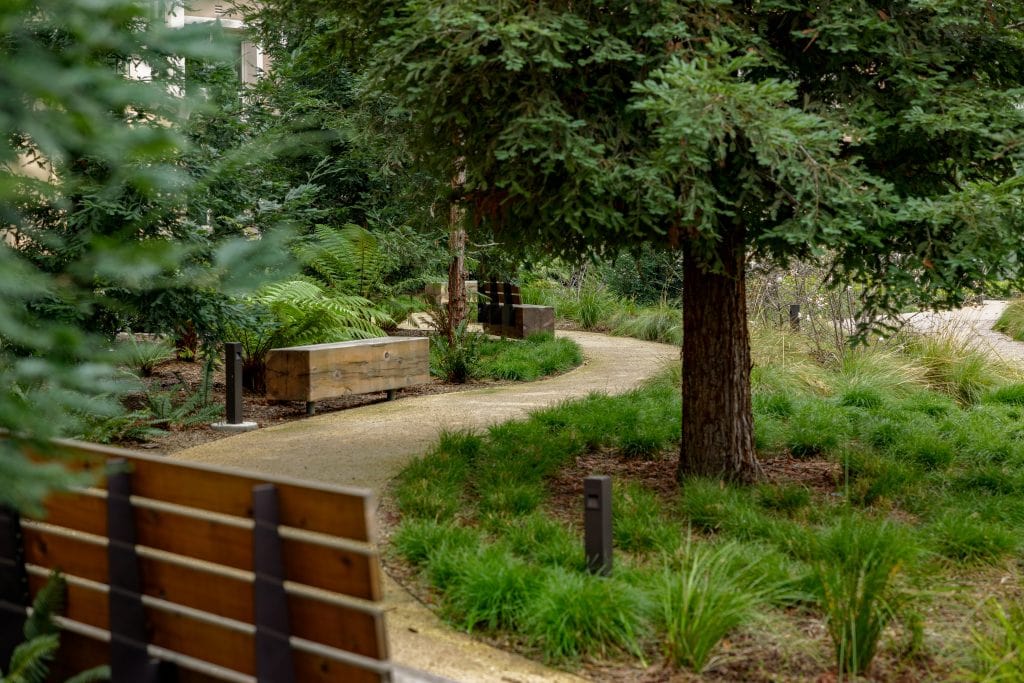
The 2026 aesthetic for Southern California resorts has moved away from the lush, tropical look that defined the late 20th century. Today, the most prestigious properties in the region embrace the natural beauty of the chaparral and coastal sage scrub environments. This "New California" style uses plants like Ceanothus, Arctostaphylos, and various types of flowering sages to create a sense of place that feels grounded in its actual geography. These plants are not only water-wise but also highly resistant to the pests that often plague non-native species.
Designers are using these plants to create "outdoor rooms" that offer privacy and shade. Instead of vast, empty lawns, resorts are installing winding paths through native gardens, offering guests a chance to engage with the local environment. This approach also helps with thermal regulation. By strategically planting native trees like the Coast Live Oak or Western Sycamore, properties can lower the ambient temperature of guest walkways and patios by as much as 10 degrees Fahrenheit during the peak of summer. This reduces the energy needed for indoor air conditioning, further supporting the property's ESG goals.
Property owners often search for Pacific Green Landscape Maintenance in Whittier to find specialists who can manage these specific types of botanical environments. Maintaining a native garden requires a different set of skills than maintaining a golf course or a traditional lawn. It involves understanding seasonal growth patterns and knowing when to prune to encourage health rather than just for appearance. The result is a property that feels less like an artificial oasis and more like a refined extension of the California wilderness.
Technology Integration in Large-Scale Grounds Care
Technology is the silent partner in 2026 resort management. AI-driven systems now monitor weather forecasts and soil sensors to adjust irrigation schedules minute by minute. This level of precision ensures that no water is wasted during unexpected rain or on particularly humid days. Furthermore, many resorts in the county have started using graywater recycling systems. Water from guest rooms and laundry facilities is treated on-site and used specifically for the grounds, creating a circular system that significantly lowers the demand on municipal water supplies.
Autonomous mowers and robotic weed control systems are also becoming common. These machines operate on set schedules, often during the night, to minimize disruption to guests. Because they are electric, they are nearly silent and produce zero emissions. This automation allows the human staff to focus on more detailed tasks, such as specialized plant care and the maintenance of complex water features that use recirculating pumps and UV filtration to keep water clean without heavy chemical loads.
As we move through 2026, the definition of excellence in resort grounds continues to evolve. It is no longer enough to be beautiful; a property must also be responsible. The integration of sustainable property management into the core business model of Southern California's hospitality industry has proven that environmental stewardship and luxury can exist together. Properties that lean into this reality are seeing better guest reviews, lower operational costs, and higher long-term value in a market that remains one of the most competitive in the United States.
Ultimately, the success of a resort in 2026 depends on how well it respects the local environment. From the choice of mulch that retains moisture to the selection of low-voltage LED lighting that protects the night sky, every detail counts toward the property's overall ESG profile. This attention to detail ensures that the Southern California hospitality industry remains a leader in global travel while protecting the very resources that make the region so attractive to visitors in the first place.

Latest Posts
Why Integrated Care Boosts Property ESG Scores
Leveraging Los Angeles County for Successful Water Audits
A Proactive Approach to Storm Safety in Los Angeles